“`html
Driving Rules: A Comprehensive Analysis
- Global Road Safety Overview
- Traffic Laws: Speeding, Drunk Driving, and Risk Limits
- Distracted Driving and Mobile Device Regulations
- Seat Belt, Helmet, and Child Restraint Laws
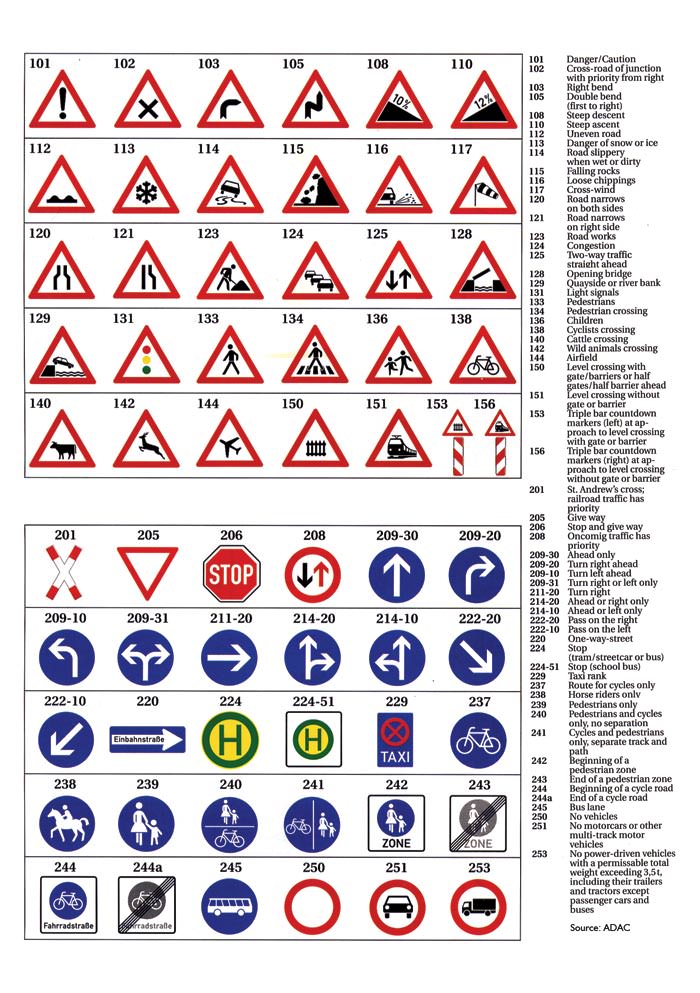
- Traffic Control Devices, Signs, and Right-of-Way Rules
- Licensing, Age Restrictions, and Graduated Licensing Systems
- United States: Federal and State-Level Driving Rules
- Policies, Enforcement, and Legal Frameworks Across Regions
Comprehensive analysis of laws, policies, and statistics governing driving rules globally, with focus on speed limits, drunk driving, distracted driving, seat belts, traffic control devices, and enforcement. Insights drawn from the WHO and national regulations.
Global Road Safety Overview
Scale, Risk Factors, and Global Trends
According to the World Health Organization’s Global Status Report on Road Safety 2023, road traffic deaths number approximately 1.19 million annually. This represents a slight decline from earlier years, with global deaths having fallen between 2010 and 2021. However, efforts to meet the Sustainable Development Goal of halving road traffic injuries and deaths by 2030 are still far from sufficient. (source)
- Approx. 1.19 million people die annually in road traffic globally. (source)
- Vulnerable road users (pedestrians, cyclists) represent over half of deaths. (source)
- Low- and middle-income countries account for ~90% of fatalities. (source)
- Speeding, alcohol, distraction, helmets, seat belts, child restraints are primary risk factors.
- Many countries lack basic vehicle safety laws or minimum standards.
Key Statistics:
- 1,190,000 road traffic deaths per year globally (2023).
- Traffic injuries cost countries about 3% of their annual GDP.
- Risk of fatal crash increases ~4% for every 1% increase in mean driving speed.
| WHO Region | Share of Global Road Deaths | Major Challenges |
|---|---|---|
| Western Pacific & Southeast Asia | Over 50% | Weak vehicle safety law uptake; high vulnerable user share |
| Sub-Saharan Africa | High per capita rates | Poor infrastructure, low enforcement |
| High-income Europe & Americas | Lower per capita rates | Better laws, safer vehicles, infrastructure |
Traffic Laws: Speeding, Drunk Driving, and Risk Limits
Legal Limits, BAC, Enforcement, and Speed Management
Drunk driving laws vary significantly from country to country. Many European countries enforce a 0.05% (0.5 g/L) blood alcohol concentration (BAC) limit for general drivers, often with stricter or zero-tolerance limits for professional, novice, or young drivers. Some nations—such as Czechia, Hungary, Slovakia, and Romania—maintain a 0.00% BAC limit for all drivers. Sweden approaches this with a limit around 0.02%. In Asia, China sets 0.02%, Japan 0.03%, and many Southeast Asian countries use 0.05% or lower, depending on vehicle type or driver category. (source)
- Many countries set 0.05% BAC as general limit; several have zero tolerance for certain drivers.
- Strict penalties for drunk driving include fines, license suspension, sometimes imprisonment.
- Speed laws tied to road type; small increases lead to large risk escalations.
- Some jurisdictions reducing speed in urban zones, school zones, shared-space roads.
Highlighted Statistics:
- Approx. 0.05% BAC common limit in many countries.
- Risk of a fatal crash increases ~4% for every 1% increase in average speed.
| Country | General Driver Limit (%) | Novice / Professional Limit (%) |
|---|---|---|
| Germany | 0.05 | 0.00 or lower for novice drivers |
| Sweden | 0.02 | Same as general or zero tolerance |
| Japan | 0.03 | Stricter for professional/young drivers |
| United States | 0.08 | Often lower/zero for under-21 or commercial drivers |
| China | 0.02 | Same or more stringent depending on case |
Distracted Driving and Mobile Device Regulations
Laws, State Trends, and Compliance Challenges
Distracted driving—especially due to mobile phone use—is recognized globally as a major contributor to crashes, injuries, and fatalities. In the United States, state laws vary: some states ban all hand-held mobile device use, others only texting, others permit limited handheld use for navigation or calls. Primary enforcement means a police officer can stop and cite a driver for violation without another offense; secondary enforcement requires another traffic violation first. In 2023, multiple states including Michigan, Alabama, Missouri enacted bans on hand-held device use for all drivers. (source)
- Hand-held device bans for all drivers increasingly adopted across U.S. states.
- Laws often distinguish between general drivers and young/novice or commercial drivers.
- Secondary vs primary enforcement influences effectiveness.
Distracted Driving Statistics:
- 24 U.S. states have primary enforcement bans on hand-held device use for all drivers.
- In 2022, ~3,300 deaths in the U.S. attributed to distracted driving; ~289,000 injuries.
| State(s) | Hand-held ban for all drivers | Primary/Texting ban | Notes |
|---|---|---|---|
| Arizona, California, Connecticut, Delaware, Georgia, Hawaii, Illinois, Indiana, New Jersey, New York, Nevada, Oregon, Tennessee, Virginia, Washington | Yes | Texting included | Primary enforcement |
| Alabama, Iowa, Kentucky, etc. | No or secondary enforcement | Texting ban | Some exemptions |
Seat Belt, Helmet, and Child Restraint Laws
Usage Requirements, Compliance, and Enforcement
Seat belt laws exist in virtually all high-income countries. Wearing a seat belt reduces the risk of fatality in a crash for front-seat occupants by about 45-50%, and rear seat occupants by 55-74%. In many countries, legislation mandates seat belt use for all seating positions, both front and rear; for motorcyclists, helmet laws are commonly required. Child restraint laws (car seats and booster seats) are also widespread, though the age/weight/height thresholds vary. (source)
- Seat belt, helmets, and child restraints laws are widespread but enforcement and compliance vary significantly.
- Seat belt reminders and alarms being mandated in some countries, including U.S. upcoming federal rules.
- Risk reductions are large when seat belts are used (45-75% depending on seat position).
Key Stats on Restraint Laws:
- Rear seat belt reminders to be required in all new U.S. passenger vehicles by late 2027.
- Front seat enhanced warnings required by September 2026.
| Seating Position | Fatality Risk Reduction |
|---|---|
| Front seat occupant | ≈ 45-50% lower fatality risk |
| Rear seat occupant | ≈ 55-74% lower fatality risk |
Traffic Control Devices, Signs, and Right-of-Way Rules
Standards, Manuals, and International Treaties
Rules of the road include right-of-way laws, traffic control devices (signs, signals, road markings), and manuals or treaties that establish standards for these. The Vienna Convention on Road Traffic (1968) is a core international treaty aimed at standardizing rules among contracting parties, especially regarding driving licenses, recognition of permits, right-of-way principles, and consistency in road signage and signaling where ratified. (source)
- The Vienna Convention standardizes many road rules among signatory countries.
- In the U.S., MUTCD defines all road signage, markings, signals; updated in December 2023.
- Compliance depends heavily on driver education, enforcement, and the design of road infrastructure.
| Instrument | Geographic Scope | Mandates |
|---|---|---|
| Vienna Convention on Road Traffic | International (contracting parties) | Driving licence standards; right-of-way; permit reciprocity; signage conventions |
| MUTCD (USA) | United States | Traffic signs, road markings, signals standards; uniform designs and placement |
Licensing, Age Restrictions, and Graduated Licensing Systems
Who Can Drive and Under What Conditions
Driver licensing laws typically require both theoretical and practical examinations. Under the Vienna Convention, contracting parties must ensure that licences are issued only after passing such exams and recognize domestic and international driving permits (IDPs) under certain conditions. (source)
- Licensing involves both theory and practical exams; IDPs recognized under Vienna Convention.
- Graduated licensing used to reduce risk among young/inexperienced drivers.
- Novice/professional drivers face stricter BAC limits and other constraints.
United States: Federal and State-Level Driving Rules
Seat Belt, Mobile Device, BAC, and Enforcement Laws
In the United States, the National Highway Traffic Safety Administration (NHTSA) oversees federal motor vehicle safety standards (FMVSS), including requirements for seat belts, lighting, crash avoidance, and post-crash survivability. State law plays a major role in enforcement of driving rules like distracted driving, seat belt use, and DUI laws. For example, many states enforce hand-held device bans, texting bans, and use primary enforcement laws. (source)
- FMVSS under NHTSA regulate vehicle safety features nationally.
- Seat belt reminder/alarm laws advancing with federal mandates for new vehicles.
- Distracted driving laws vary state by state; increasing adoption of handheld bans.
| Seat Position | Requirement Effective Date | Description |
|---|---|---|
| Front seats | September 2026 | Enhanced warnings for unbuckled front seat occupants |
| Rear seats | September 2027 | Visual/audio reminders if rear seat belts unfastened |
Policies, Enforcement, and Legal Frameworks Across Regions
Comparative Law, Challenges, and Emerging Trends
Regions vary in how extensively and effectively driving laws are implemented. In Asia and the Pacific, WHO convened officials from 11 countries plus China to advance road safety laws before the Global Ministerial Conference on Road Safety. These workshops pointed out that many vehicles in the region do not meet minimum UN safety standards. (source)
- Countries/regions pushing minimum safety standards and looking to improve legislation and enforcement.
- Targets are being set (e.g., 75% compliance in Gujarat by 2030) with rising fines and enforcement.
- New vehicle safety technologies are becoming legally mandated or encouraged.
| Region / Country | Recent Legal or Policy Change | Objective / Enforcement Mechanism |
|---|---|---|
| Asia (ASEAN + China) | Workshops to adopt UN safety standards; strengthen speed, motorcycle safety, and reporting rules | Capacity building, shared legislation drafts, awareness campaigns |
| Gujarat, India | Target 75% compliance for helmets & seat belts by 2030; more fines & enforcement | e-enforcement, schools/colleges programs |
| United States | Seat belt reminders mandated; device bans expanded; data collection | Federal rulemaking; state statutes; legislative mandates |
WHO Global Status Report on Road Safety 2023
WHO Road Safety
WHO Report on Asia Road Safety Laws
Calculate BAC – Global Comparison of Legal BAC Limits
NCSL – Distracted Driving Review
Reuters – Seat Belt Reminder Requirements
Times of India – Gujarat Compliance
Wikipedia – Vienna Convention on Road Traffic
“`