“`html
Driving Rules: A Comprehensive Analysis
- Legal Frameworks and International Conventions
- Seat Belt Laws and Occupant Restraint
- Distracted Driving and Mobile Device Regulation
- Driving Under Influence (DUI) and Impairment Laws
- Licensing Rules and Driver Qualification
- Speed Limits, Enforcement, and Speeding Behavior
- Enforcement, Penalties, and Legal Provisions
- Trend Analysis: 2025 Policy Changes in the U.S.
- Challenges, Limitations, and Emerging Issues
- Case Study: State Level U.S. Reforms in 2025
Executive Summary
This report provides a comprehensive analysis of driving rules, covering various aspects including definitions, key legal frameworks, statistical trends, and modern challenges. The focus will primarily be on seat-belt laws, distracted driving, drunk driving, licensing rules, and international treaties.
Legal Frameworks and International Conventions

The driving rules that govern how individuals obtain licenses, use roads, obey traffic signals, and stay safe are frequently anchored in international treaties and conventions. One of the most important is the Vienna Convention on Road Traffic (1968), which standardises licensing, recognition of international driving permits, vehicle registration, driver responsibility and legal examinations. It requires that every driver hold a valid licence and pass both theoretical and practical exams. Contracting parties agree to recognise driving licences from other countries, especially when they conform to the annexes of the Convention. Learn more.
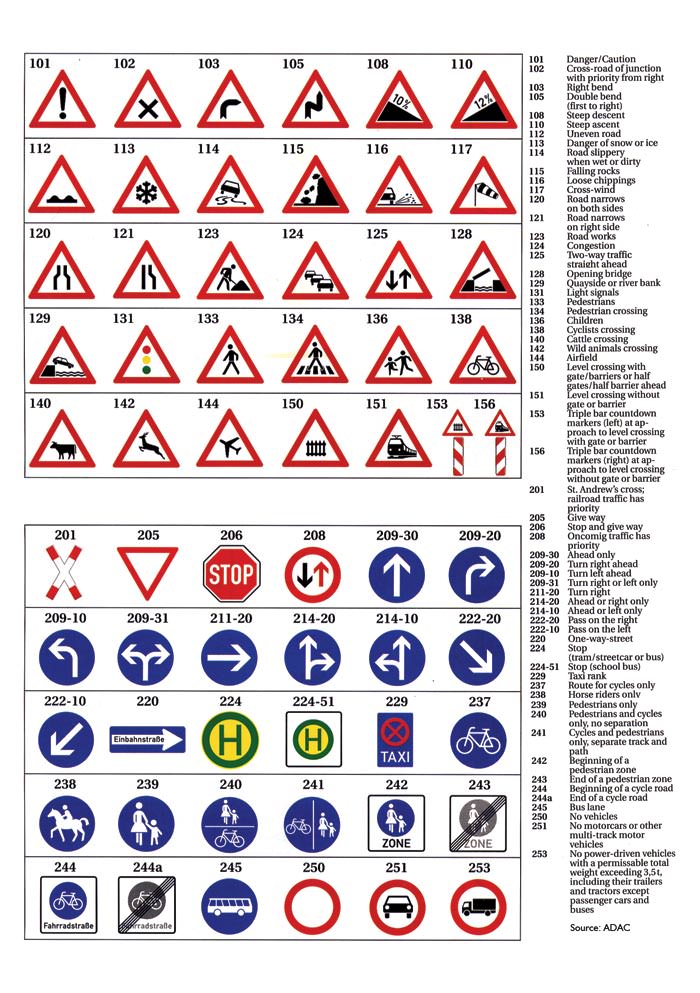
In addition to licensing, other driving rules—such as those related to traffic signs, signals and vehicle signage—are standardised under treaty frameworks. The Vienna Convention on Road Signs and Signals (also 1968, entering into force in 1978) seeks harmonisation of visual signals across countries so that signs, signals and markings are understandable internationally. Learn more.
National laws are also shaped by best practice guidelines, such as UN Regulation No. 16 regarding vehicle occupant restraints (seat belts) and child restraints; these have been implemented in numerous countries to bolster occupant protection in crashes. The UN, WHO and UNECE collaborate to support uptake of these laws in low‐ and middle‐income countries. Learn more.
Key Points:
- Vienna Convention on Road Traffic (1968) sets international standards for licences, vehicle registration, driver exams, and recognition of international driving permits.
- Convention on Road Signs and Signals standardises signage across contracting parties.
- UN Regulation No. 16 governs seatbelt and child restraint requirements, adopted in many countries.
- International treaties help harmonise driving rules but do not override national variations in enforcement.
Statistics:
As of October 2022, the Vienna Convention on Road Traffic has been ratified by 86 countries. Learn more.
UN Regulation No. 16 has become part of the law in 105 countries, aligning with best practices for safety belts. Learn more.
Seat Belt Laws and Occupant Restraint
Seat belts are considered one of the most effective interventions for reducing fatalities and serious injuries among vehicle occupants. According to WHO guidelines, front‐seat adults who wear seat belts reduce their risk of fatal injuries by about 45–50%, while rear‐seat occupants see reductions of about 25% in risk of death or serious injury. Child restraints further reduce risk, especially among infants, by up to 71%.
Global adoption of seat belt laws is uneven. In the WHO European Region, adult seat belt use averages around 83%, and child safety restraint use is about 77%. By contrast, in WHO African and WHO Southeast Asian Regions, usage is far lower—often below 50% for adults, and under 40% for child restraints in some countries. South American nations report child restraint use rates below 10% in specific cases.
In the United States, observed seat belt use among front‐seat occupants in passenger vehicles was approximately 91% in 2023–2024, with rear‐seat occupant use significantly lower (about 80%). Front‐seat usage is higher in states with primary enforcement laws—where officers can stop someone solely for a seat belt violation—than in those with only secondary enforcement. Different usage patterns appear by age group, gender and time of day.
Key Points:
- Seat belts reduce risk of death/injury by nearly half for front‐seat occupants, less but still significant for rear seats.
- Child safety restraints provide up to 71% risk reduction among infants.
- Seat belt usage rates are high in high‐income regions and much lower in many low‐ and middle‐income countries.
- Primary enforcement laws correlate with higher compliance and lower fatality rates.
Statistics:
Front-seat seat belt use in the U.S. ~91.2% in 2024. Learn more.
Rear-seat belt use < 80% for occupants in back seats in the U.S. in recent years. Learn more.
Seat belt laws are properly aligned with ‘best practice’ in 105 countries. Learn more.
Table: Seat Belt Usage Rates by Region (WHO Regions)
| WHO Region | Adult Seat Belt Use (%) | Child Restraint Use (%) |
|---|---|---|
| Europe | ≈ 83% | ≈ 77% |
| African Region | < 50% | — |
| South‐East Asia | below 50% | ≈ below 40% |
| Some South American countries | — | below 10% in some cases |
Table: Seat Belt Use in United States by Seating Position
| Seating Position | Percent Observed Using Seat Belt (2023-24) |
|---|---|
| Front Seat Occupants | ≈ 91% |
| Rear Seat Occupants | ≈ 80% |
Distracted Driving and Mobile Device Regulation
Distracted driving—especially owing to mobile phone use—is a growing risk factor in many countries. Many U.S. states have adopted or strengthened hands‐free laws that prohibit holding or manipulating mobile devices while driving. For example, Iowa’s amended law (effective July 1, 2025) prohibits drivers from holding, viewing or using handheld electronic devices while the vehicle is in motion. Learn more.
These laws vary widely in severity of penalties, scope and enforcement mechanisms. Fines for first‐time offenders often start around USD 100-250, increasing for repeat violations. Some jurisdictions assign demerit points, possibly suspending licenses. In school zones or construction zones fines tend to be heavier. Learn more.
Technologies like automated enforcement via cameras, AI powered detection of violations, and vehicle telematics are increasingly used both to detect distracted driving and to issue citations. Some states or national jurisdictions are planning for or implementing camera systems that detect speed or phone usage violations in real time. Learn more.
Key Points:
- Hands‐free laws are becoming more common, banning handheld use while driving.
- Penalties vary by state, with first offenses fined, repeat offenders facing tougher sanctions.
- Enhanced enforcement in sensitive zones like school and construction zones.
- Technology (cameras, AI, telematics) is being used to enforce distracted driving laws.
Statistics:
In 32 U.S. states, the use of handheld devices while driving is banned. Learn more.
First offense fines for phone violations often $100 to $250. Learn more.
Driving Under Influence (DUI) and Impairment Laws
Most countries set legal blood alcohol concentration (BAC) limits for drivers to reduce impairment risk. For instance, many European countries have BAC limits between 0.02% and 0.05%, depending on driver category (novice, professional, etc.). Some jurisdictions are lowering BAC even further or introducing zero‐tolerance rules for certain classes of drivers (e.g. commercial drivers). Emerging trends include extending impairment laws to include cannabis and prescription medications. Learn more.
Enforcement methods include random breath testing, checkpoint operations, ignition interlock devices (for offenders), and roadside drug tests (saliva or other forms). Repeat offenders commonly face more severe penalties including longer license suspensions or even criminal charges. Learn more.
Legal reforms in some U.S. states in 2025 propose lowering BAC thresholds (e.g. from 0.08% to 0.05%) aligning with global norms. For commercial drivers, any detectable THC (in jurisdictions where cannabis is legal) may lead to automatic suspension. Learn more.
Key Points:
- BAC legal limits typically around 0.05% or lower in many places; some jurisdictions narrowing these limits.
- Drugs, including cannabis and prescription medications, increasingly covered in impairment laws.
- Use of interlock devices for offenders and stricter penalties with repeat violations.
- Regular enforcement via checkpoints, random testing.
Statistics:
In many U.S. states in 2025, BAC limit redesigns include reductions to 0.05%. Learn more.
Licensing Rules and Driver Qualification
Licensing rules vary considerably between countries, but several core elements are commonly legislated: minimum driving age, requirement of theoretical and practical exams, learner’s permit periods, and renewal regimes. For example, under the Vienna Convention, driving licenses can only be issued after passing theoretical and practical examinations. Learn more.
In certain U.S. states (as of 2025), new regulations require first‐time teen drivers to complete more extensive driver education courses. For instance, Florida changed its learner permit requirement on August 1, 2025: drivers under 18 must complete a state‐approved six-hour driver education program (DETS). Learn more.
Licence renewal for commercial drivers, senior drivers, or drivers with certain medical conditions is also regulated. Some U.S. reforms introduced recurring testing for commercial drivers every five years. In terms of international drivers or immigrants, many jurisdictions demand local conversion of licences, additional testing or training.
Key Points:
- Theoretical and practical exams are prerequisites for licensing under many national systems and international treaties.
- Minimum age thresholds vary; many jurisdictions require additional training and education for younger drivers.
- Commercial, senior, or health‐conditional drivers often have stricter renewal or testing requirements.
- International licence conversion often requires additional verification, with reforms targeting fraud and safety.
Statistics:
As of 2025, in Florida, first‐time drivers under 18 must take a six-hour driver education course. Learn more.
Speed Limits, Enforcement, and Speeding Behavior
Speed limits are set based on road type, urban vs rural context, proximity to vulnerable road users (e.g. school zones, residential areas) and engineering assessments. Enforcement mechanisms include fixed and mobile speed cameras, automated detection, road signage, speed buffer zones, and in some jurisdictions, income‐based fines or device‐based speed limiting.
Statistical studies show widespread violations: more than 80% of vehicles exceed posted limits in certain road segments in countries like the United States, Italy, Japan, and China. For instance, in Italy, 45.3% of drivers exceeded the posted speed by more than 30 km/h.
Recent U.S. policy changes include lower speed thresholds for speed camera enforcement in sensitive zones, increased fines in school or construction zones, and sometimes criminal classification for extreme cases of speeding.
Key Points:
- Speed limits vary with road context; school / construction zones often have reduced limits.
- Violations are common; many drivers exceed speeds significantly, especially in low traffic settings.
- Enforcement via cameras, automated detection, and ISA devices is increasing.
- Penalties for speeding are being strengthened, especially for severe or repeat violations.
Statistics:
More than 80% of drivers in Italy, Japan, and the U.S. in studied road segments exceed the posted speed limit. Learn more.
In Italy, 45.3% of drivers exceeded the posted limit by over 30 km/h in one road segment. Learn more.
Enforcement, Penalties, and Legal Provisions
Enforcement plays a crucial role in the effectiveness of driving rules. Laws such as seat belt mandates, DUI, distracted driving or speed regulations only have the desired safety impact if compliance is monitored and violations are penalised. In many U.S. states, seat belt laws may be primary enforcement (officers can stop for seat belt non‐use alone) or secondary (only after other infractions). States with primary enforcement show significantly higher seat belt use rates.
Penalties vary based on the nature of the violation, whether it’s a first or repeat offense, geography (urban, school zone, highway), and whether it involves aggravating factors (injury, death, impairment). Fines can range widely: from around USD 100 for basic phone use violations to thousands of dollars for criminal speeding or fatal DUI cases.
Technologies increasingly support enforcement—automated cameras for speed, red light running; ignition interlock devices for DUI; sensors or warning systems for seat belt use; telematics or AI for detecting distracted driving. Learn more.
Key Points:
- Primary enforcement laws are more effective in increasing compliance.
- Penalties escalate with repeat offenses or high-severity violations.
- License suspensions and revocations are common for DUIs, reckless driving, or other grave offenses.
- Technology (cameras, interlocks, sensors) is being used to enforce rules more reliably.
Statistics:
Front seat belt usage in states with primary enforcement ~92%, compared to ~89% in secondary or no law states. Learn more.
Trend Analysis: 2025 Policy Changes in the U.S.
In 2025, many U.S. states updated traffic laws to enhance road safety in response to rising fatalities, new mobility technologies, and changing public behaviour.
One major trend is stronger distracted driving laws. Several states—32 or more—now ban all handheld device use while driving, with fines for first offences commonly ranging from USD 100 to USD 250; repeat offences escalate in both fine amounts and penalties like license suspension.
Another trend is expanding seat belt requirements. Laws are increasingly mandating belt use for all occupants, front and rear, with elevated fines and potential addition of penalty points for noncompliance.
Speeding laws are being tightened, especially in sensitive zones: school and construction areas often receive lower speed thresholds, more frequent camera enforcement, and sometimes criminal classification for severe overspeeding.
Key Points:
- 2025 sees stronger distracted driving laws and broader bans on handheld device use.
- Seat belt laws extended and better enforced for rear occupants.
- Speeding fines increased; enforcement via automated and technological methods enhanced.
- Driver licensing requirements tightened, especially for teens and foreign license holders.
Statistics:
32 states ban handheld device use while driving. Learn more.
Challenges, Limitations, and Emerging Issues
Despite legal advances, compliance remains uneven. Back-seat occupants are much less likely to wear seat belts; younger drivers and males frequently display lower compliance with seat belt use or distracted driving rules. Nighttime driving sees heavier penalties and more fatalities among unbuckled occupants.
Low‐ and middle‐income countries face infrastructural, cultural, and enforcement challenges: legal seat belt laws may exist on the books, but enforcement is weak; child restraint use remains very low; public awareness is limited.
Emerging vehicle‐based technologies pose new challenges: connected vehicles, advanced driver assistance systems (ADAS), autonomous vehicles, and telematics bring legal, ethical and regulatory questions.
Key Points:
- Compliance discrepancies exist by seating position, age, gender and region.
- Low- and middle-income countries struggle with enforcement, awareness and equipment quality.
- Vehicle automation and new technology raise legal and regulatory uncertainties.
- Impairment definitions and detection methods for drugs beyond alcohol remain inconsistent.
Statistics:
Seat belt use in rear seats ~80%, significantly lower than front seats. Learn more.
Case Study: State Level U.S. Reforms in 2025
Florida implemented major changes to its learner’s permit requirements on August 1, 2025: individuals under 18 applying for first-time driving licences must complete a state-approved six-hour driver education course (“DETS”), deeper than the previous four‐hour Traffic Law & Substance Abuse Education program (TLSAE). Learn more.
Iowa amended its distracted driver law (Senate File-22) effective July 1, 2025, adopting a hands-free standard that prohibits drivers from holding, viewing, or manipulating handheld electronic communication devices while driving. Learn more.
South Australia proposed an overhaul of its international driver licence recognition and conversion rules in response to concerns about fraud, safety, and driver competence. Learn more.
California’s 2025 reforms include stricter distracted driving laws, increased car-fines, camera enforcement in school zones, expanded definitions of prohibited distractions, and tighter restrictions for teen drivers such as curfew and passenger limits during early licensing periods. Learn more.
Key Points:
- Florida raised teen driver education requirements in 2025.
- Iowa moved to total ban on handheld device use while driving.
- South Australia tightened international license conversion to address fraud and safety.
- California expanded distracted driving laws, increased penalties, and imposed new restrictions on novice drivers.
Statistics:
Florida now requires 6-hour driver education course for under-18 first-time applicants as of August 1, 2025. Learn more.
Iowa’s law effective July 1, 2025 bans all handheld electronic device manipulation while driving. Learn more.
“`